Glycemic Index vs. Insulin Index: 5 Key Differences That Change How You See Food
Insulin does not.
Protein stimulates insulin release — sometimes significantly. This means foods with little or no carbohydrate can still produce a measurable insulin response.
Examples:
- Meat, fish, and eggs → GI near zero, but insulin response exists
- Dairy products → often low GI but relatively high insulin response
Milk and yogurt are classic examples. They rarely spike glucose dramatically, yet they can stimulate insulin more than people expect.

This doesn’t mean dairy is “bad.” It means the body’s response is more complex than the glycemic index alone suggests.
Metabolism researcher Kevin Hall summarizes this idea:
“The body responds to the entire food matrix, not isolated nutrients.”
For some individuals, high reliance on low-GI dairy products may contribute to earlier hunger or more frequent snacking.
3. Portion Size: Lab Models vs. Real Plates
The glycemic index is calculated using a standardized amount of carbohydrates — typically 50 grams from a single food. This works for research but often doesn’t reflect real eating patterns.
To reach 50 grams of carbs from carrots, for example, you would need a very large portion. Yet carrots may still be labeled “moderate GI,” which can confuse consumers.
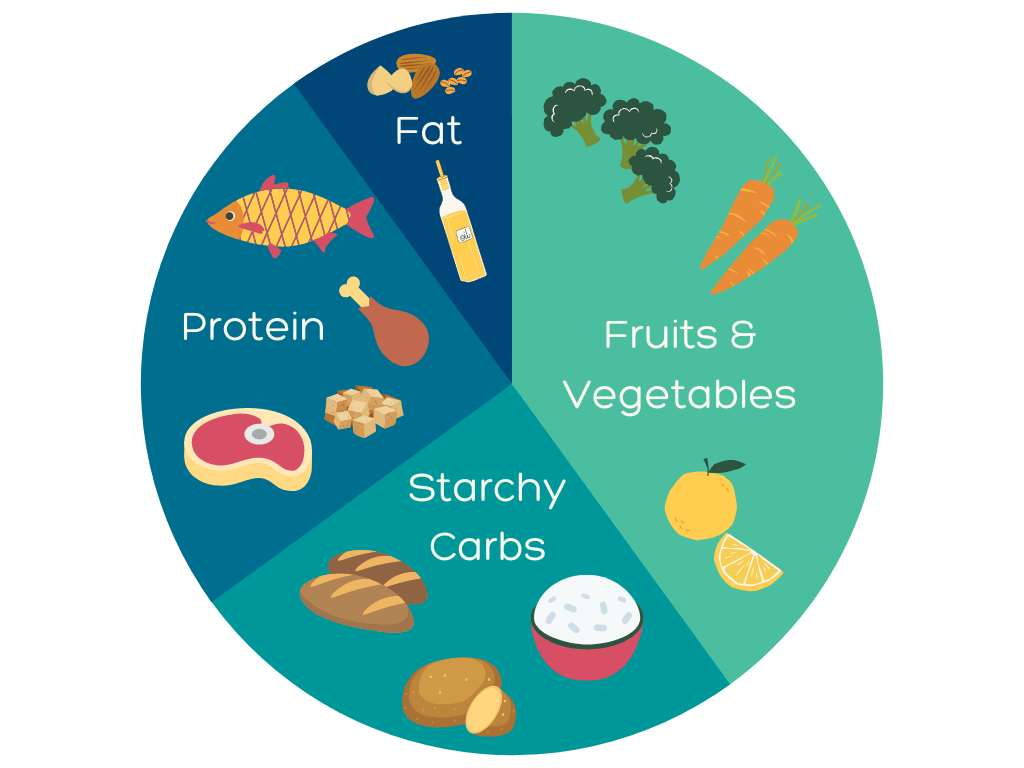
The insulin index is often measured using calorie-based portions (around 240 kcal), which better resembles real meals.
In everyday life, the body responds to:
- mixed foods
- meal composition
- portion size
- eating speed
This means context matters more than any single number.
4. When the Numbers Don’t Match
The most useful insight appears when GI and II tell different stories.