Insomnia: Types, Causes, and Practical Solutions
- Difficulty falling asleep
- Difficulty staying asleep
- Waking up too early
- Or a combination of the above
It can be short-term (acute) or chronic and may be primary (not linked to another condition) or secondary (caused by another issue).
2. Psychophysiological Insomnia
This type is driven by anxiety specifically related to sleep itself. The individual becomes preoccupied with the fear of not being able to fall asleep, which paradoxically makes sleep more difficult.
In some cases, temporarily changing the sleep environment (such as sleeping in a different room) can reduce the conditioned stress response.
3. Adjustment (Acute) Insomnia
Also called short-term insomnia, this type is triggered by a specific stressor:
- Emotional stress
- Travel
- Major life changes
- New sleeping environment
It typically lasts days to a few weeks and resolves once the stressor is removed.
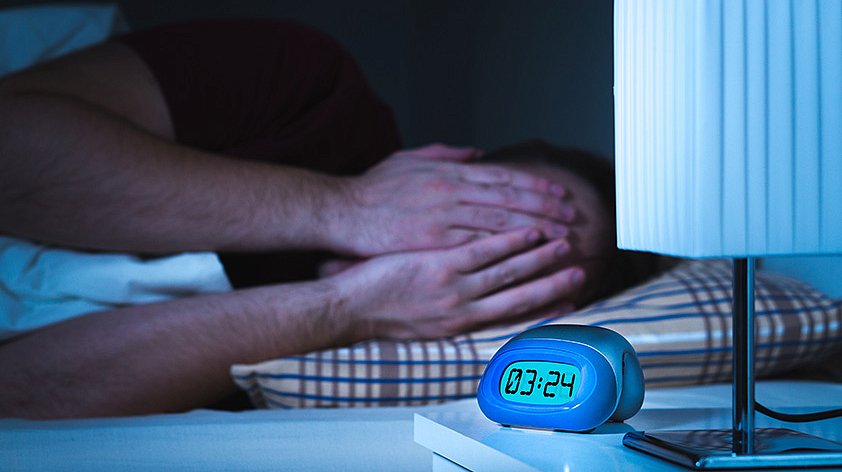
“The night is the hardest time to be alive and 4am knows all my secrets.”
― Poppy Z. Brite
4. Sleep Maintenance Insomnia
This refers to difficulty staying asleep. A person wakes up one or more times during the night and struggles to fall back asleep.
Common contributing factors include:
- Alcohol consumption
- Chronic pain
- Hormonal changes
- Nighttime awakenings (e.g., childcare responsibilities)
One frequent cause in women is menopause. Estrogen supports neurotransmitters involved in sleep regulation. When estrogen declines, circadian rhythms may become disrupted, contributing to night sweats, palpitations, and fragmented sleep.