10 Anti-Aging Skin Care Secrets That Actually Work (Backed by Experts)
Steps to Reverse the Aging Process
If you’ve ever wondered how celebrities seem to maintain glowing, youthful skin well into their 40s, 50s, and beyond, you’re not alone. While genetics and professional treatments play a role, most dermatologists agree that consistent daily habits matter far more than luxury products.
As we age, the skin naturally loses collagen, elasticity, and moisture. Fine lines appear, texture changes, and environmental stressors begin to leave visible marks. The good news: research-supported skin care strategies can slow visible aging and significantly improve skin health.
In this guide, I’m breaking down 10 anti-aging skin care secrets that dermatologists consistently recommend — plus practical ways to apply them in real life.
1. Prioritize Deep Hydration
Aging skin produces less sebum, which means moisture evaporates faster. This leads to dryness, dullness, and more visible wrinkles.
Hydration works on two levels: humectants that draw water into the skin (like glycerin and hyaluronic acid) and occlusives that lock it in.
Dermatologists often emphasize that moisturization is not cosmetic — it’s structural.
“Hydrated skin reflects light better and shows fewer fine lines,” notes board-certified dermatologists across multiple clinical reviews.
Look for moisturizers containing:
- Hyaluronic acid
- Ceramides
- Glycerin
- Peptides
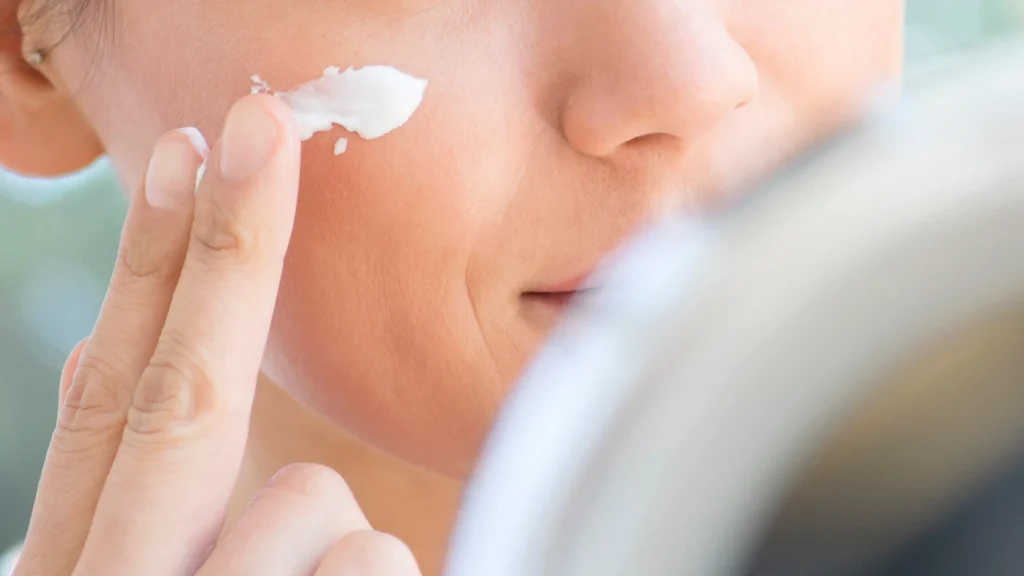
Apply twice daily — especially after cleansing while skin is slightly damp.
2. Sunscreen Is the Most Powerful Anti-Aging Product
Up to 80–90% of visible aging is linked to sun exposure. This process, known as photoaging, causes pigmentation, collagen breakdown, and loss of elasticity.
Daily sunscreen is non-negotiable.
Experts recommend:
- Broad-spectrum SPF 30 or higher
- Reapplication every two hours outdoors
- Year-round use (yes, even in winter)
As one widely cited dermatology guideline states, “Consistent sunscreen use is the single most effective anti-aging intervention available.”
Mineral sunscreens tend to be gentler for mature or sensitive skin, while chemical formulas may feel lighter for daily wear.