14 Natural Ways to Refresh and Rejuvenate Your Skin After 35
A guide to nutrition and at-home skincare for adults 35–65
“We must always change, renew, rejuvenate ourselves; otherwise, we harden.”
— Johann Wolfgang von Goethe
After 35, skin physiology begins to change in measurable ways: collagen production declines, cell turnover slows, and the lipid barrier becomes less resilient. By your 50s and 60s, cumulative UV exposure, glycation, and hormonal shifts further affect elasticity, pigmentation, and hydration.
Before investing in expensive treatments, it is worth addressing two foundational levers: nutrition and barrier-supportive skincare. Below is a clinically grounded, evidence-aware guide tailored to adults 35–65.
Part I: Nutrition That Supports Healthy, Aging Skin
Skin is metabolically active tissue. What you eat influences inflammation, oxidative stress, and collagen integrity.
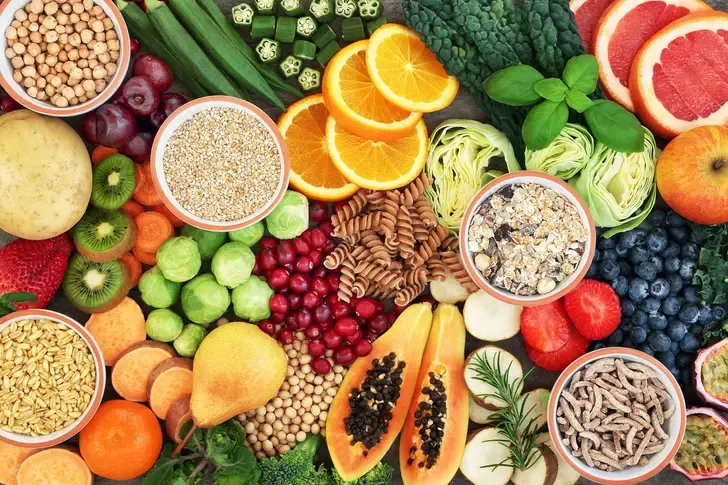
1. Prioritize Antioxidant-Rich Produce
Aim for multiple servings daily of:
- Leafy greens (spinach, kale) – lutein and zeaxanthin
- Orange vegetables (carrots, sweet potatoes) – beta-carotene
- Berries – vitamin C and polyphenols
Vitamin C supports collagen synthesis. Carotenoids accumulate in skin and may improve tone and photoprotection over time.
Practical tip: Include healthy fats (olive oil, avocado) to enhance carotenoid absorption.
2. Include Vitamin E and Selenium
- Sunflower seeds
- Almonds
- Seafood
- Brazil nuts (very high in selenium—limit to 1–2 per day)
Vitamin E protects cell membranes. Selenium supports antioxidant enzyme systems.
3. Eat Omega-3 Fatty Acids
- Wild salmon
- Sardines
- Walnuts
- Flaxseed
Omega-3s support the skin barrier and may reduce inflammatory skin conditions.
4. Maintain Adequate Zinc Intake
Zinc contributes to wound healing and immune function. Good sources include poultry, seafood, pumpkin seeds, and legumes.
5. Hydrate Appropriately
Mild dehydration can affect skin turgor. Drink according to thirst and activity level; excessive water intake does not improve skin beyond normal hydration.