
7 Breakthrough Anti-Aging Technologies: What’s Real, What’s Hype, and What Might Change the Future
3. Collagen Stimulation & Skin Aging

After age 35, collagen production declines approximately 1% per year. This contributes to wrinkles, joint stiffness, and reduced skin elasticity.
There’s strong dermatological evidence supporting:
- Topical retinoids
- Microneedling
- Laser therapies
- Vitamin C (topical and dietary)
- Daily sun protection
The American Academy of Dermatology emphasizes that UV exposure is the single largest driver of visible skin aging.
Important note: Diet alone does not cause dramatic overproduction of collagen beyond physiological norms. Marketing claims often exaggerate this effect.
4. Senolytics: Removing Senescent Cells
“Cellular senescence is a double-edged sword — it protects against cancer early in life, but contributes to aging later.” Judith Campisi, PhD


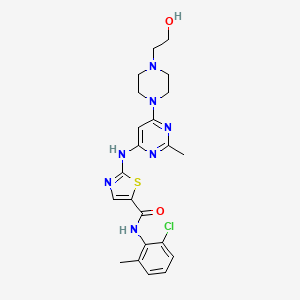
Senescent cells are aged cells that no longer divide but secrete inflammatory molecules. These cells accumulate over time and contribute to tissue dysfunction.
In 2018, research funded by the National Institute on Aging and published in Nature Medicine showed that combining dasatinib (a chemotherapy drug) with quercetin helped eliminate senescent cells in mice.
Results in mice:
- Improved physical function
- Reduced inflammation
- Increased lifespan in certain models
Leading senolytics researcher James Kirkland describes senolytics as “potentially transformative” — but still experimental.
“Senolytics represent a fundamentally new strategy — instead of treating one disease at a time, we target a root aging mechanism.” James Kirkland, MD, PhD
There are early human pilot trials underway, but no FDA-approved senolytic therapy for anti-aging purposes.
5. Synthetic Peptides & Cellular Signaling
Research from Marshall University explored a signaling pathway involving Na/K-ATPase and oxidative stress amplification (NAKL).
Scientists tested a synthetic peptide called pNaKtide in mice and human skin fibroblasts.
Findings included: