
7 Breakthrough Anti-Aging Technologies: What’s Real, What’s Hype, and What Might Change the Future
Important clarification:
- Most research uses NAD⁺ precursors (NMN, NR), not NADH directly.
- Tissue “rejuvenation within a week” is an oversimplification.
- Human trials remain limited in size and duration.
According to the National Institutes of Health, long-term benefits and safety data are still under investigation.
What Actually Slows Aging Today?
For Americans aged 35–65, the strongest evidence still supports:
- Resistance training (2–3x per week)
- Cardiovascular exercise
- Blood pressure control
- Glucose regulation
- Healthy body composition
- Mediterranean-style diet
- Quality sleep
- Avoiding smoking
Longevity researcher Nir Barzilai has repeatedly emphasized that managing metabolic health remains the most practical anti-aging strategy available today.
Final Thoughts: Hope vs. Reality
“The goal is not just to live longer — it’s to extend healthspan, the period of life free from chronic disease.” Nir Barzilai, MD
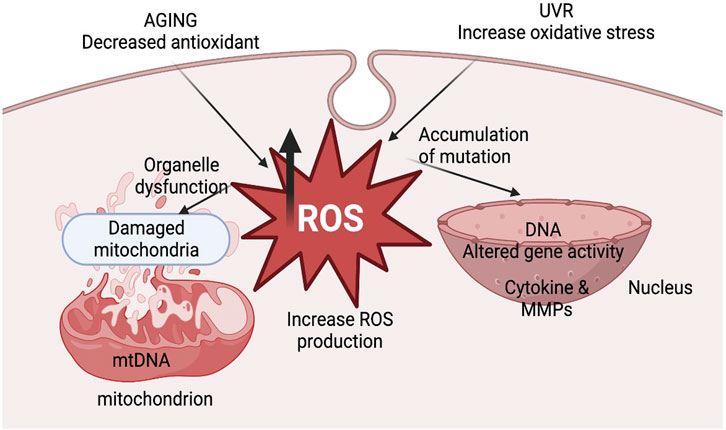
The science of aging is advancing faster than at any time in history. Cellular reprogramming, senolytics, mitochondrial optimization, and NAD⁺ research may eventually reshape medicine.
But as of today:
- None of these are FDA-approved anti-aging treatments.
- Most results come from animal models.
- Lifestyle remains the most powerful longevity intervention.
For adults in midlife, the opportunity isn’t waiting for a miracle drug. It’s optimizing the decades ahead with evidence-based health strategies — while keeping a close eye on emerging science.