What Is Rare Beauty Hiding? The Secret Behind Selena Gomez’s Success — Finally Revealed
Selena Gomez at concert
photo by Amanda Nobles (SITS Girls , Creative Commons Attribution 2.0)
These days, yet another celebrity launching a makeup brand is hardly news. From Kim Kardashian to Rihanna, Hailey Bieber to Lady Gaga — the beauty industry is overflowing with celebrity-backed lines. But in this crowded landscape, one name stands out: Rare Beauty by Selena Gomez. Her impact on the multi-billion-dollar fashion and beauty industry is undeniable. Well, according to Taylor herself, not quite.
At first glance, it might seem like just another collection of lipsticks, blushes, and highlighters. But Rare Beauty has achieved what many others haven’t — it’s become not just a commercial hit, but a cultural force.
So what’s the real secret behind Rare Beauty’s meteoric rise? What lies beneath the brand’s feel-good image? And why is everyone — from beauty editors to Gen Z TikTokers — obsessed with it? We did some digging, and here’s what we found. Can’t get enough of celebrity secrets? We’ve got more on this website!
1. From Disney Darling to CEO: Selena Gomez’s Evolution
For years, Selena Gomez was known as the former Disney star and ex-girlfriend of Justin Bieber. But the launch of Rare Beauty marked a turning point. This wasn’t just a business move — it was a reinvention. Gomez leaned into authenticity — and it worked.
In an age where people are exhausted by filtered, picture-perfect “Instagram beauty,” Selena offered something radical: vulnerability. She’s spoken openly about her struggles with mental health, anxiety, and bipolar disorder — and Rare Beauty was built on that honesty.
“I didn’t want Rare Beauty to be just another brand. I wanted it to change the conversation around beauty,” Selena said in an interview.
The brand’s tagline — You don’t have to be someone else to be beautiful — struck a powerful chord with an audience that’s tired of unrealistic beauty standards.
2. Anti-Instagram Aesthetic: When Design Makes a Statement
Rare Beauty did something few brands dare to do — it didn’t try to copy the glossy, hyper-perfect look of traditional beauty marketing. The packaging is soft, rounded, matte — and surprisingly inclusive. The ball-shaped tops on many products were specifically designed for people with mobility issues.
Even the brand’s visuals break the mold. Rare Beauty campaigns feature real emotions, unretouched skin, diverse faces, and a sincere tone. The result? A brand that feels human — not manufactured.
This aesthetic choice helped Rare Beauty stand out in a saturated market. It wasn’t just makeup — it was a movement.
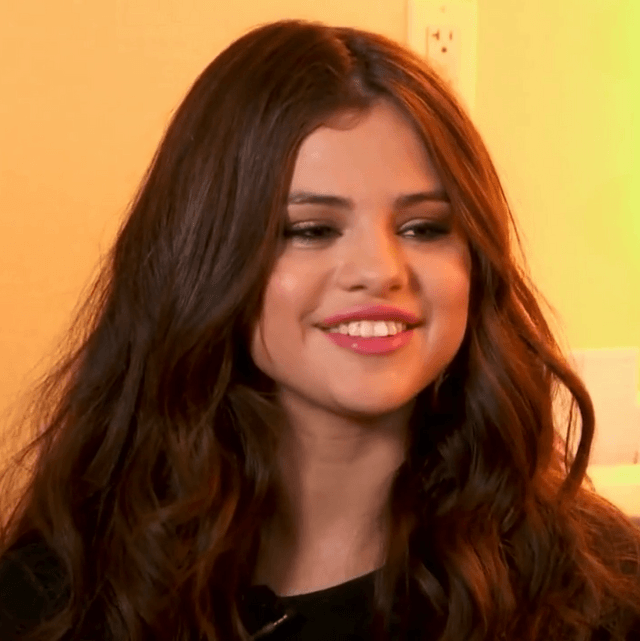
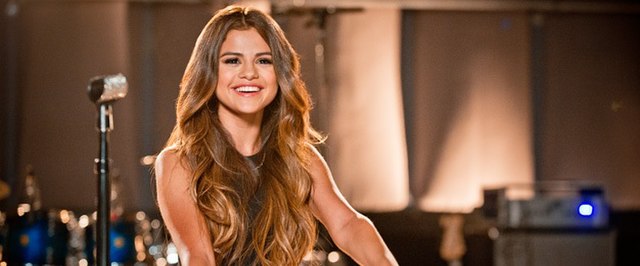
Selena Gomez in an interview for Fuse News
(SITS Girls , Creative Commons Attribution 2.0)
3. The Products Actually Work (Yes, That Matters)
Unlike many celebrity brands that rely solely on name recognition, Rare Beauty delivers quality. Seriously — the formulas are good. Like, really good. Some of the biggest hits include:
- Soft Pinch Liquid Blush — A TikTok sensation thanks to its intense pigment and smooth blendability.
- Positive Light Liquid Luminizer — A radiant highlighter that gives you glow without glitter.
- Lip Soufflé Matte Cream Lipstick — A velvety matte lip product that won’t dry you out.
These weren’t just marketing wins — they became cult favorites. And it wasn’t just because Selena Gomez’s name was on the packaging. Beauty creators, pro makeup artists, and everyday users kept buying them — and that’s what really matters.
4. Mental Health as Core Branding — Not Just a Buzzword
Selena Gomez has been open about her mental health struggles, and she built Rare Beauty around that honesty. The brand launched the Rare Impact Fund, pledging to donate 1% of annual sales to mental health services, with a goal of raising $100 million over ten years.
In a generation that values transparency, this was a genius move — both ethically and strategically.
“We’re not just selling makeup. We’re building a community,” Rare Beauty often states.
This mission made fans feel seen and heard — especially young people navigating anxiety, burnout, and social pressure. Rare Beauty wasn’t just a brand; it was a support system.
5. Marketing That Doesn’t Feel Like Marketing
In a world bombarded with influencer codes and algorithm-chasing ads, Rare Beauty’s approach feels — well, refreshing. Instead of aggressive campaigns, the brand focused on organic content through TikTok, Instagram, YouTube, and micro-influencers.
It tapped into the power of community-led promotion — where fans talk about the brand not because they’re paid to, but because they genuinely love it.
This authentic energy helped Rare Beauty go viral naturally, which is way more powerful (and cheaper) than buying billboard space in Times Square.
6. Proving the Haters Wrong
Let’s be real: when Rare Beauty first launched, the internet rolled its eyes.
- “Another celeb brand?”
- “Why should we care?”
- “Selena’s not a makeup artist — what does she know?”
But Rare Beauty proved itself. As of 2025, the brand is reportedly valued at over $2 billion. Even more impressive? Over 70% of customers become repeat buyers — a loyalty stat that most brands would kill for.
This isn’t just a flash-in-the-pan trend. It’s a case study in how to build trust in a skeptical market.
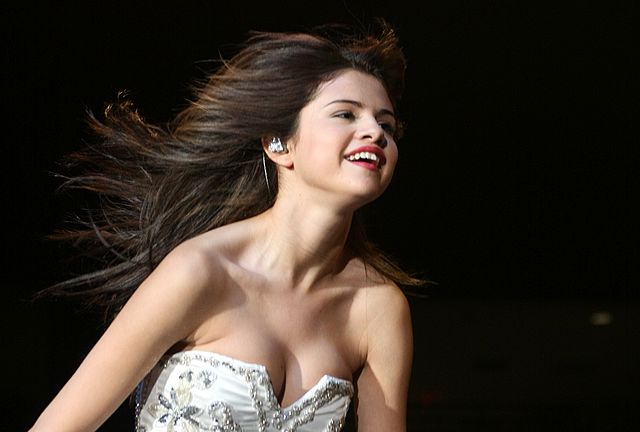
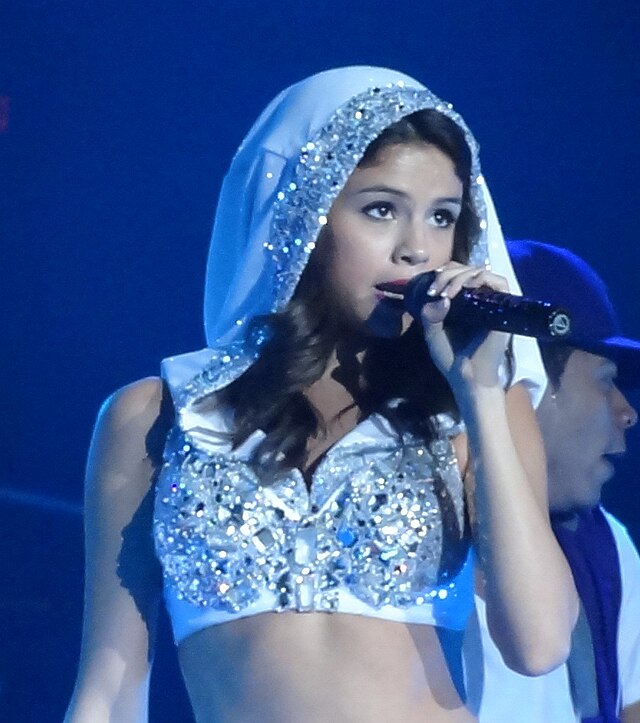
Selena Gomez performing live at KISS 108 Jingle Ball December 2010
photo by Mikey Hennessy (SITS Girls , Creative Commons Attribution 2.0)
7. Standing Out in a Sea of Stars
Rare Beauty faces fierce competition: Fenty by Rihanna, Kylie Cosmetics, Haus Labs by Lady Gaga. But instead of copying trends, Rare Beauty carved out a lane of its own.
Fenty is about shade inclusivity. Kylie is about hype and image. Haus Labs leans into high-concept artistry. Rare Beauty? It’s about emotional authenticity — about being real in a world obsessed with perfection.
That message resonates — especially with Gen Z, who care more about how a brand makes them feel than how flashy it looks.
8. Social Media as Identity
Rare Beauty isn’t just a brand — it’s a part of people’s digital identity. Makeup lovers don’t just wear Rare Beauty, they share it. Tutorials, GRWMs, reviews, Reddit threads — the content is endless.
It’s not forced. It’s not scripted. People talk about Rare Beauty because it’s relatable. The brand has become a kind of shorthand for being thoughtful, kind, and in the know.
9. Is It All Too Perfect?
No brand is immune to criticism. Rare Beauty has faced questions about whether it’s “commodifying mental health” or glossing over deeper issues. Some have raised concerns about pricing and product accessibility for people with very deep or very fair complexions.
Still, most of the backlash has been mild — and the brand’s transparency and willingness to listen has helped it maintain credibility.
10. Final Thoughts: Rare Beauty Is More Than Makeup
Rare Beauty is a beauty brand, yes. But it’s also a story — about vulnerability, empowerment, and rewriting what it means to be beautiful.
Selena Gomez didn’t just sell lip gloss. She sold a message: You don’t have to be flawless to be worthy.
In a world still obsessed with filters and facades, Rare Beauty feels — rare. And maybe that’s the real secret.
So, what is Rare Beauty hiding?
Nothing. And that’s exactly why it works.
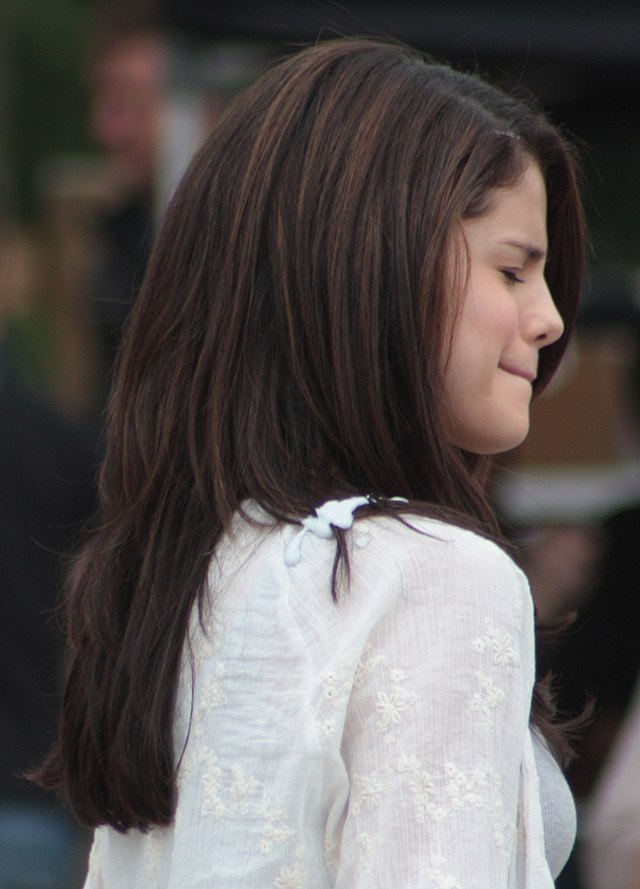
Selena Gomez filming Monte Carlo in Paris. June 21 2010. photo by Briddish (SITS Girls , Creative Commons Attribution 2.0)